New article in Public Archaeology: Invisible Archaeologies of Decolonization: Western Asian Archaeology, a View from Türkiye
With Emma Baysal, we have recently published a new article in Public Archaeology: Invisible Archaeologies of Decolonization: Western Asian Archaeology, a View from Türkiye.
The article grew out of a sense of unease we had while reading debates over decolonisation in archaeology, especially about where the conversation is being shaped. I’m really glad to finally see it out in the world.
In this study, we take the question Düring asked in 2024 in his Public Archaeology article "Gatekeepers, Geographies, and Access in the Archaeology of West Asia": whether the archaeology of West Asia has a future. We engage with the decolonisation debate in archaeology through issues like academic genealogies, publishing practices, visibility, and public engagement. Our starting point is simple: whose perspectives are actually centred in these debates? We argue that decolonisation needs to be grounded in the perspectives, priorities, and everyday realities of those living and working in the region.
Türkiye offers a particularly telling case. Archaeological practice here sits within a web of historical, institutional, and political constraints that shape the past, present and future of the discipline.
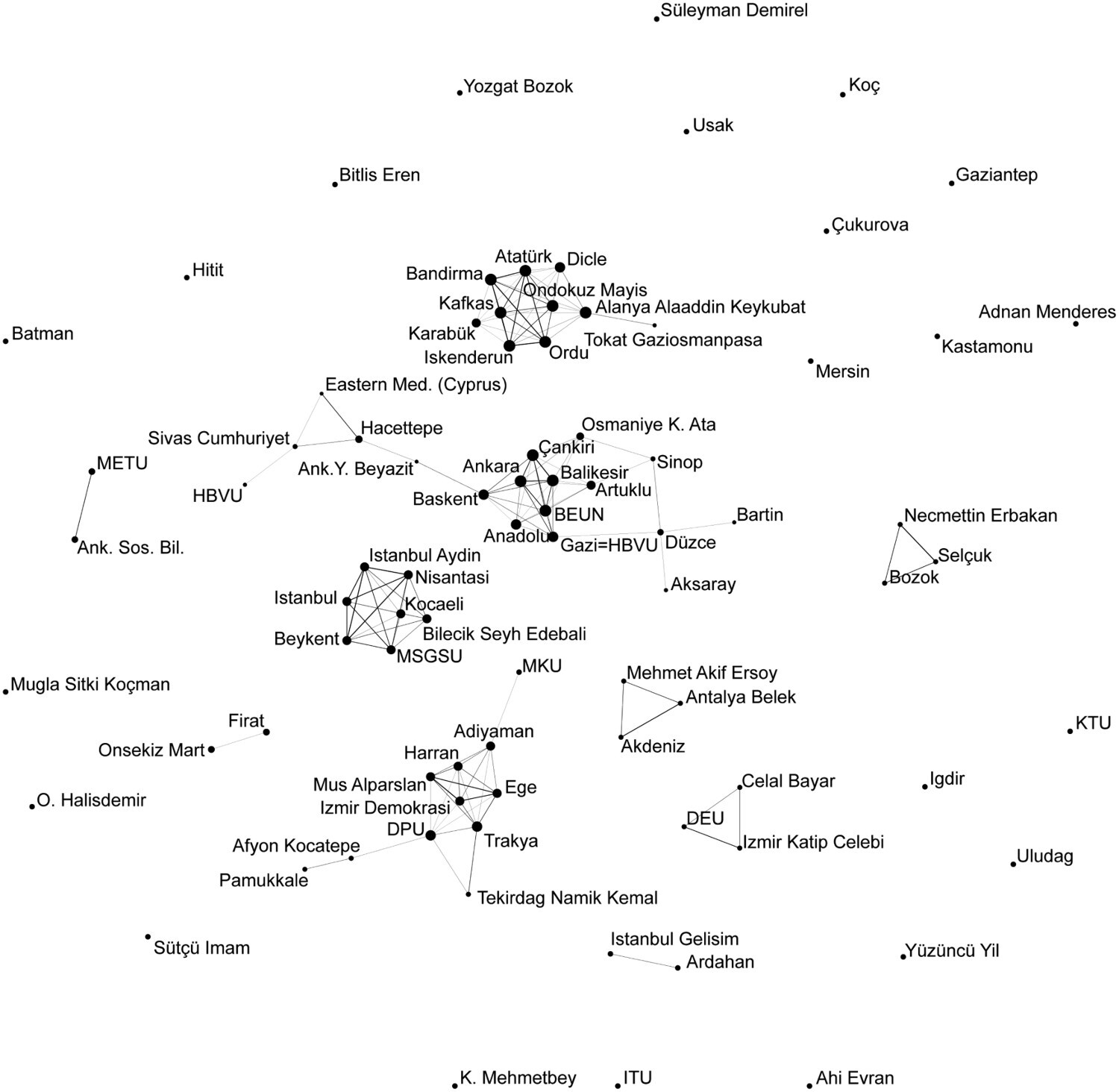
Our results are depressing. Closed academic networks dominate, concentrating power within small, exclusive circles. Over the past decade, archaeology PhDs have increased, while academic employment has not. The near absence of postdoctoral opportunities deepens this crisis.
In the field, fewer foreign missions & growing emphasis on community engagement have not translated into meaningful impact for local communities. Research agendas are rarely shaped by the needs and priorities of the communities most directly implicated in archaeological work.
There is very little engagement with Turkish-language archaeological literature in Türkiye. We used the Çatalhöyük monograph series as a case study and found that very few articles cite Turkish literature, with three volumes containing no references to Turkish texts.
We also reflect on the historical baggage of archaeology in Türkiye and on contemporary efforts framed under the umbrella of “decolonisation.” Despite nationalist narratives of decolonisation, a genuinely post-colonial condition has yet to be realised.
Back to answering the original question: there are a number of exclusionary dynamics, both within and from the 'outside'. Unless we confront these and the historical and political contexts that sustain them, we believe the future of archaeology in Türkiye remains at serious risk.
You can read the full article here open-access